
Tax & policy
Regulatory models, VAT monitoring frameworks and tax-control policy design.

Independent research and evidence-based advisory across VAT monitoring, digital tax control, e-invoicing, transaction evidence, compliance, enforcement and regulatory implementation.
We examine how tax-control requirements, transaction technologies and implementation choices work in practice - turning evidence into findings and practical recommendations for policy, compliance and system design.
Regulatory models, VAT monitoring frameworks and tax-control policy design.
Transaction systems, reporting, digital evidence and system interactions.
Operational outcomes, user interaction and behavioural responses in practice.
Enforcement models, incentive mechanisms and strategies for improving reporting and taxpayer compliance.
Our research explores the policy, technology, regulatory implementation and behavioural dimensions of digital tax control and VAT-monitoring systems. These themes represent core areas of focus rather than fixed boundaries for future research.
Research into how VAT-monitoring and tax-control frameworks are designed, introduced, adapted over time and shaped by regulatory, technological and administrative change.
Research into transaction capture, fiscal data flows, certification and approval models, interoperability and the relationship between legal requirements and system design.
Research into programme rollout, operational implementation, institutional coordination, taxpayer and vendor adoption, consumer behaviour and communication challenges.
Research into verification models, consumer incentives, lotteries, rebates, tax-relief mechanisms and other tools designed to strengthen reporting, compliance and enforcement outcomes.
These core themes guide the Laboratory’s work without limiting future or commissioned research.
Designed for governments, tax authorities, associations, technology providers and organisations seeking focused, evidence-based findings and practical recommendations.

Focused research tailored to a jurisdiction, policy question, sector or technology environment, with evidence-based findings and practical recommendations.
Surveys, field research and data-driven studies built around a defined research objective.
Evidence-based briefings, presentations and workshops for institutional and professional audiences.
Joint studies and knowledge projects with public bodies, associations, technology providers and research partners.
Explore research seeking support, in preparation, currently running or moving through analysis. Completed work is available through Publications.

The Receipt Research Project (RRP) is an independent behavioural study examining how people find, read and understand information presented on sales receipts. The research focuses on the practical usability of receipt information, including how…
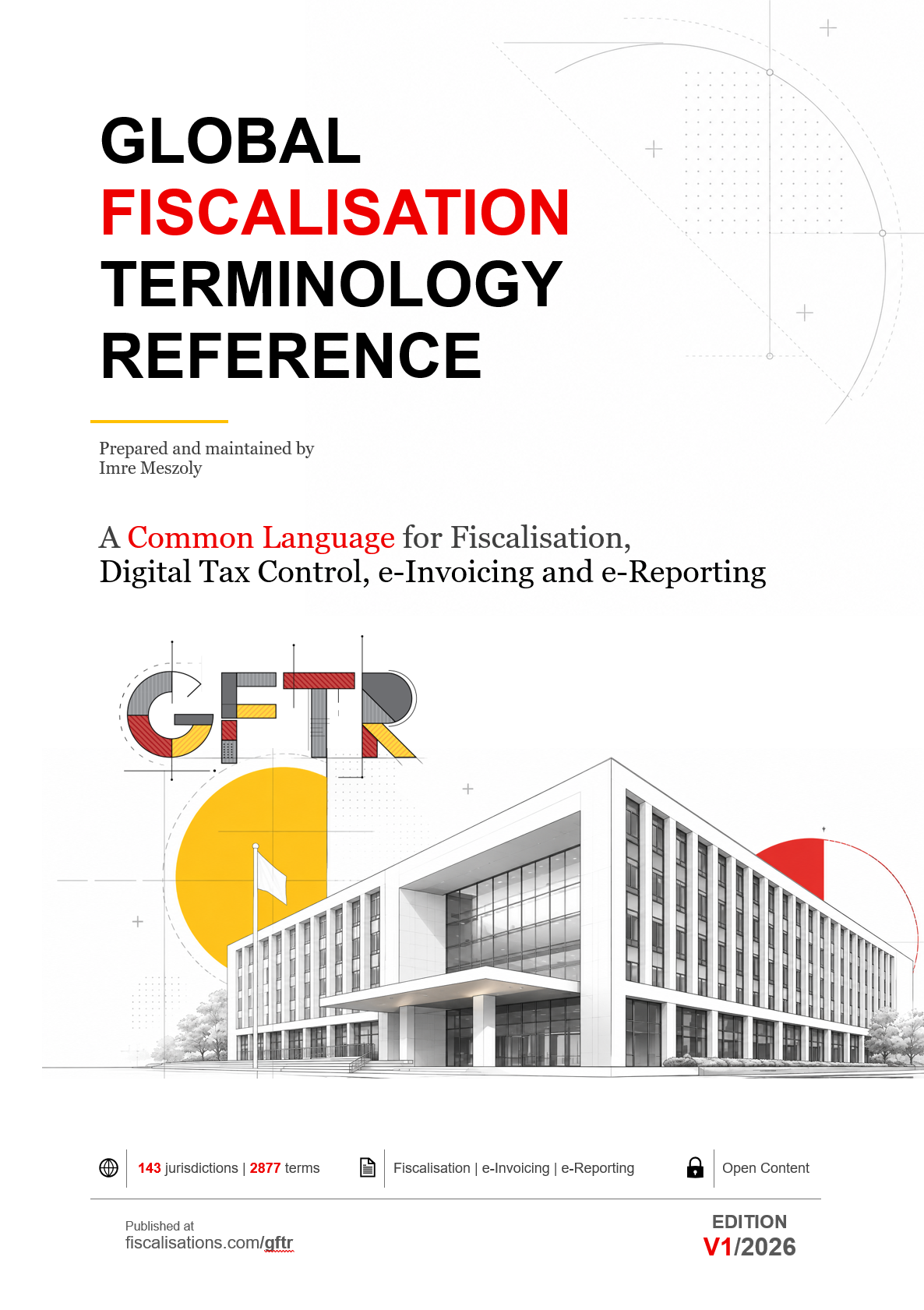
A common language for fiscalisation, digital tax control, e-invoicing and e-reporting — built to make cross-jurisdiction discussion clearer and more precise.
Selected publications from the research library.

This policy note examines why awareness and public trust should be treated as part of fiscalisation implementation rather than as communication added after legal and technical design. It argues that fiscalisation creates transaction visibility, but that visibility can only remain credible when businesses, intermediaries, consumers and public authorities understand its purpose, experience it as fair and recognise it as part of legitimate tax compliance rather than as a captured narrative of surveillance, bureaucracy or political messaging.
This article examines the simplified invoice as an emerging policy-design question at the boundary between fiscalisation, e-invoicing and e-reporting. It argues that, as European digital tax-control models expand, simplified invoices may become an important test of how well legal mandates, technical specifications and service-provider responsibilities are aligned at transaction level.

“We thrive on turning evidence into practical ideas that help build simpler, stronger and more effective tax-control systems for everyone they serve.”
For commissioned research, a briefing, a collaborative study or an initial discussion, get in touch.