

Research outputs
Publications
Research outputs, analyses and notes across VAT monitoring, digital tax control and regulated transaction systems.

Evidence to inform better tax systems and public outcomes.
Our publications translate research, field experience and evidence into practical insights for governments, tax authorities and public institutions. They include outputs from our research programme, alongside independent policy notes, analytical papers and other specialist material.
Featured publication
Fiscalisation Without Narrative Capture
This policy note examines why awareness and public trust should be treated as part of fiscalisation implementation rather than as communication added after legal and technical design. It argues that fiscalisation creates transaction visibility, but that visibility can only remain credible when businesses, intermediaries, consumers and public authorities understand its purpose, experience it as fair and recognise it as part of legitimate tax compliance rather than as a captured narrative of surveillance, bureaucracy or political messaging.
Selected research and analysis
Our latest publications

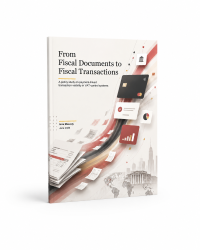

From research to published evidence
Turning research into evidence and insight
Many of our publications grow from independent research projects developed through the Lab. Explore the research behind the findings, methods and published outputs.
Explore the Lab